Covid 19 and Brain Fog
Published: April 27, 2020
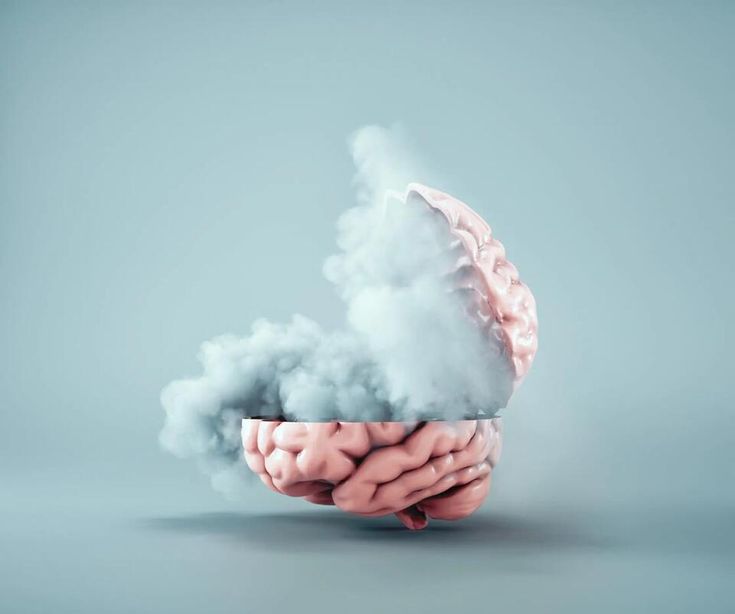
"I have been having trouble concentrating, sleeping and basically doing everything. I am a bit slow now, I tend to react more slowly but get easily irritated, I think this lockdown thing is taking a toll on my mental health. What do you suggest I do?”
“In a nutshell you have described me a few days ago and many other people living in this difficult time. You know our working environment has changed; we are working more from home using a lot of computer, mobile phones and tablets; having little or no exercise and having limited physical interaction. This causes brain fog.”
WHAT IS BRAIN FOG
Brain fog is characterized by confusion, forgetfulness, and a lack of focus and mental clarity. This can be caused by overworking, lack of sleep, stress, and spending too much time on the computer. On a cellular level, brain fog is believed to be caused by high levels inflammation and changes to hormones that determine your mood, energy and focus. The imbalanced levels of hormones make the whole system to be thrown off. Also, brain fog syndrome can lead to other conditions such as obesity, abnormal menstruation, and diabetes mellitus. (Dr. Soipetch Viravaidya,2019 )
Symptoms
Trouble sleeping, insomnia, headaches, low energy or fatigue, impaired cognitive function, mood swings, irritability, forgetfulness, trouble concentrating, low motivation, lack of ideas, mildly depress.
Causes
Brain fog is typically rooted in a lifestyle that promotes hormonal imbalances and is worsened by stress.
During the lockdown caused by covid19 the use of electromagnetic radiation – from computer, mobile phone, tablets; Stress – reduce blood flow to the brain causing poor memory; Lack of sleep, no exercise
Diet low in amino acids, vitamins, minerals, and antioxidants; Toxins, pollution, chemical substances, and insecticides.
WHAT CAN DO WE DO?
Easing the symptoms of Brain fog treatment depends on the cause. Lifestyle modifications can also help. Spend less time on computer and mobile phone – remind yourself to take a break
Think positively remember this too will end, change your diet, get enough sleep – 7-8 hours a day, go to bed at 10pm or no later than midnight, do regular exercise. Please do avoid alcohol, smoking, and drinking coffee in the afternoon and finding enjoyable activities. And if this still persist seek professional advice.